
Is Microwave Skin Tightening the Right Approach for Your Skin?
Microwave Skin Tightening in Korea: What the Clinics Don’t Tell You
In Korea, microwave skin tightening delivers targeted radiofrequency energy deep into the dermis, triggering immediate collagen contraction and a prolonged remodeling response that outpaces conventional lasers. This non-invasive procedure, often performed in Seoul’s premium aesthetic clinics, reaches precise temperatures of 65–75°C beneath the skin’s surface while keeping the epidermis cool, producing visible jawline and cheek lift within a single session. The result is firmer, more elastic skin with zero downtime—making it the preferred choice for those seeking rapid, dramatic facial contouring without surgery. Microwave skin tightening Korea requires just one 30-minute treatment monthly for optimal collagen synthesis, with effects peaking at three months and lasting up to two years.
Is Microwave Skin Tightening the Right Approach for Your Skin?
Deciding if microwave skin tightening is the right approach for your skin in Korea hinges on your specific laxity and fat volume. This technology excels at contracting deeper dermal layers, making it ideal for mild-to-moderate jowling or crepey texture on the lower face, which is a common concern among local patients. However, it is not a substitute for surgical lifting if you have significant sagging or excess skin. In Korean clinics, practitioners often pair it with focused ultrasound for a synergistic effect, but you must assess your pain tolerance—session discomfort is real, though manageable with topical anesthesia. Your skin thickness and hydration baseline matter immensely; thin, dehydrated skin responds poorly. The “right” approach here really depends on whether you prioritize gradual, natural-looking firmness over dramatic repositioning. Ultimately, a proper consultation using a 3D skin analyzer is non-negotiable to determine if your collagen response justifies the cost.
How Does This Technology Differ From Lasers and Ultrasound?
Unlike lasers, which heat the skin’s surface to trigger collagen, or ultrasound, which bypasses the epidermis to target deep structural layers, microwave skin tightening works by delivering **focused electromagnetic energy** into the dermis while simultaneously cooling the outer skin. This means you avoid the burn risk and downtime often tied to laser resurfacing, and you don’t need the precise anatomical mapping that ultrasound requires. Instead, microwaves create a uniform, volumetric heating effect that contracts existing collagen immediately and stimulates new growth over weeks. The key practical difference:
- Lasers suit fine lines via surface ablation; microwaves target laxity without breaking skin.
- Ultrasound requires high-intensity pulses to one focal point; microwaves spread energy evenly across a wider area.
- Cooling is built into microwave devices, unlike most lasers, making sessions faster and less painful.
For Korea’s humid climate, this also means less post-procedure peeling—a real advantage over ablative laser recovery.
What Specific Skin Layers Does the Microwave Energy Target?

Microwave energy for skin tightening in Korea zeroes in on the dermal and subcutaneous boundary layers, specifically targeting the deep dermis (around 1.5–2.5 mm) and the fibrous septae of the superficial fat layer. Unlike lasers that heat the epidermis first, microwaves bypass the top skin surface, delivering controlled volumetric heating directly to collagen-rich zones. This triggers immediate contraction of existing collagen fibers and stimulates neocollagenesis over 8–12 weeks. The key distinction is the subdermal adipose interface, where microwave’s dielectric heating tightens the connective tissue matrix anchoring skin to muscle. *The epidermis stays relatively cool, which minimizes downtime and pigment risk—a clear advantage over ablative treatments.* Treated layers remodel sequentially, with deep dermal compaction occurring first, followed by gradual septae stiffening. This depth-specific targeting is why Korean clinics often pair microwaves with radiofrequency for layered, cumulative firming.
Who Is the Ideal Candidate for This Non-Invasive Procedure?
The ideal candidate for microwave skin tightening in Korea is typically in their thirties to fifties, presenting with mild-to-moderate skin laxity rather than advanced sagging requiring surgical lifts. You should have adequate skin thickness and elasticity, as the procedure relies on dermal collagen contraction and neocollagenesis; very thin or severely photodamaged skin responds less predictably. Candidates with a lower body mass index tend to achieve more defined contouring, since excess subcutaneous fat can blunt the thermal effect. Those with realistic expectations about gradual improvement—over two to three months—are better suited than individuals seeking immediate dramatic transformation. Additionally, you are ideal if you prefer no downtime and can commit to one to two sessions for optimal results. Microwave skin tightening best suits patients with early jowling, crepey texture, or mild neck laxity. Contraindications include active infections, metal implants near the treatment area, or pregnancy—ruling you out as a candidate regardless of skin condition.
What to Expect During a Microwave Tightening Session in Seoul
You walk into a bright Gangnam clinic, and after a brief numbing cream application, the practitioner hands you a handpiece that feels like a warm printer against your cheek. During a microwave tightening session in Seoul, expect a deep, pulsing heat that builds in waves—each burst targeting the dermis while a cooling tip shields your skin’s surface. The technician adjusts levels based on your flinch, and you’ll hear a soft clicking with every pass. Sessions run about 40 minutes, no downtime, though your face feels flushed for hours. *“Does it hurt?”* Most say it’s a hot pinch, but the cold spray makes it tolerable. Korean clinics often combine this with a hydrating mask right after, so you leave dewy, not red, ready for evening plans.

How Long Does a Single Treatment Appointment Take?
A single microwave tightening appointment in Seoul typically takes 45 to 60 minutes from check-in to exit, though the device-on-skin phase itself runs only 15–20 minutes. The remaining time is absorbed by a mandatory topical anesthetic application (20–30 minutes) and a brief cooling-down period after the handpiece passes. Clinics in Gangnam often schedule a 10-minute pre-treatment consultation to map the target zones, adding to the total. You should therefore block one hour, but expect no more than 20 minutes of active energy delivery. Total chair time varies slightly with face versus body areas, since larger zones require additional passes.

What Level of Discomfort or Sensation Should You Anticipate?
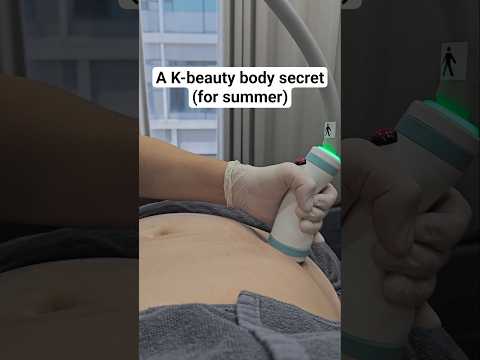
During a microwave tightening session in Seoul, anticipate a **distinctive heating sensation** rather than sharp pain—most patients describe it as a deep, pulsating warmth that intensifies with each pulse. The applicator’s cooling tip offsets the heat, but you’ll still feel brief, prickly bursts as energy penetrates the dermis. Discomfort peaks in thinner skin zones (jawline, temples) and fades quickly between passes. Typically rated 3–5 out of 10, it’s manageable without numbing cream, though clinics offer topical anesthesia if you’re sensitive. The sensation shifts from “hot” to “tingly” as the skin warms up, and any lingering soreness resembles a mild sunburn for a few hours.
- Expect a “hot pinprick” rhythm, not continuous burning—each pulse lasts under a second.
- Higher sensitivity near bony areas; fat-rich cheeks feel less intense.
- You’ll notice a crescendo of heat with each pass, then rapid cooling between pulses.
- Post-session, a warm, flushing sensation lasts 2–4 hours before subsiding.
Is There Any Downtime or Visible Redness Afterwards?
Right after your microwave tightening session in Seoul, you might see some faint redness, but it’s typically mild—like a light sunburn—and fades within a few hours. Most clinics offer cooling packs immediately, which calms the skin and minimizes any lingering flush. The real surprise? There’s no real downtime with microwave skin tightening Korea protocols; you can apply makeup and head out for Korean BBQ that same evening. Swelling is rare, but if it appears, it’s barely noticeable by morning. By the next day, your skin usually looks completely normal, with only a subtle, healthy glow.
Q: Is there any downtime or visible redness afterwards?
A: Generally, no—just transient pinkness for a few hours post-session, and you can resume your normal Seoul itinerary immediately.
How Many Sessions Are Needed for Noticeable and Lasting Results?
In Korea, where microwave skin tightening is often booked alongside lunch breaks, most clinics recommend a series of three to five sessions spaced three to four weeks apart for noticeable results—by the second session, you’ll see a subtle lift in the jawline, but the real collagen remodeling peaks around week eight. For lasting outcomes, especially under Seoul’s humid summers and harsh winters, a maintenance session every six to nine months is typical, though your skin’s elasticity and age will shift that number. I’ve watched friends with mild laxity stop at four sessions and keep their firmness for over a year, while those chasing dramatic contouring often need the full five. *The honest truth is that the “permanent” effect depends on your baseline—microwave tightening tightens existing tissue but won’t stop future aging, so your results fade faster if you skip sunscreen or crash-diet.* Most Korean dermatologists will evaluate you at the third session and adjust the total, so don’t lock a count before your skin speaks.
What Is the Typical Treatment Interval Between Sessions?
In Korea, the typical treatment interval between microwave skin tightening sessions is **three to four weeks**, aligning with the skin’s natural collagen remodeling cycle. This spacing allows the dermis to recover from thermal injury and begin producing new collagen before the next pass. Most clinics schedule a total of two to three sessions at this interval, after which results mature over the following months. Shorter gaps risk overtreating tissue, while longer gaps may diminish cumulative firmness. Your practitioner will adjust the interval based on your skin thickness and pain tolerance, but the 3–4 week window remains the clinical standard across Seoul’s aesthetics clinics.
- First and second sessions are usually spaced 3 weeks apart; subsequent ones may extend to 4 weeks.
- Maintenance touch-ups, if needed, are scheduled 6–12 months after the final session.
- Avoid booking more than one session per month, as this does not accelerate results.
Collagen remodeling
When Will You See the Initial Firming Effects on Your Face or Body?
With microwave skin tightening in Korea, you won’t walk out looking dramatically different—but the initial firming effects on your face or body typically surface within 2 to 3 days. This early lift comes from immediate collagen contraction and mild tissue tightening, giving your skin a slightly more taught, dewy feel. By the end of the first week, you’ll notice a subtle reduction in laxity, especially along the jawline or upper arms. That glow is your body’s inflammatory response ramping up collagen production, not the final result—so don’t judge the outcome yet.
- Expect a light, “pulled” sensation and visible plumpness around days 2–4 post-treatment.
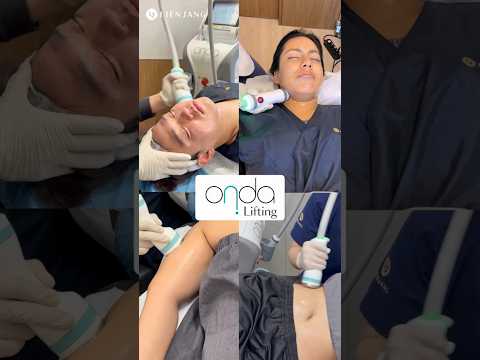
- Your face may show faster firming than your body since thinner skin responds ONDA lifting seoul quicker to heat.
- Daily moisturizing and hydration during week one help enhance that early tightening feel.
How Long Do the Collagen-Stimulating Effects Typically Last?
In Korea, the collagen cascade triggered by microwave skin tightening typically delivers visible benefits for **18 to 24 months per treatment cycle**, though this window hinges on your baseline skin laxity and metabolic rate. Most patients notice a gradual softening of results around the 12-month mark, as newly formed collagen fibers begin to mature and remodel. Because microwave energy heats the deep dermis to 65°C, it creates a sustained fibroblast response that outlasts many other energy-based devices. To maintain firmness beyond two years, Korean dermatologists often recommend a single touch-up session annually, which re-stimulates collagen production without requiring a full repeat series. Your lifestyle—sun exposure, smoking, and hydration—directly determines whether you enjoy the longer or shorter end of that spectrum.
How to Choose the Right Clinic and Device for Your Needs
When you’re navigating **microwave skin tightening in Korea**, the right choice starts with mapping your own skin laxity against the device’s specific depth. Clinics here often push the same handpiece for everyone, but you should ask which frequency—like 2.45 GHz for deeper dermal heating—matches your jawline and cheek volume. During consultations in Gangnam, don’t just accept a package; request a live patch test on your inner arm to see how your skin reacts to the cooling system. The device’s tip size matters too—smaller tips allow precise work around the eyes, while larger ones cover the neck faster. Above all, watch how the operator adjusts energy levels based on your pain response and skin thickness; a technician who recalibrates mid-session, rather than following a preset script, proves they understand **how to choose the right clinic and device for your needs**. Trust the clinic that lets you compare two different machines on your own face before committing.
What Questions Should You Ask About the Microwave Device’s Power Settings?
When evaluating microwave skin tightening in Korea, ask how the clinic calibrates energy delivery for your specific skin thickness and pain threshold. Specifically, inquire about the exact wattage ranges used for facial versus body treatments, and whether they adjust power in real-time based on thermal feedback. Power settings directly determine collagen denaturation depth, so request a breakdown of how low, medium, and high modes alter penetration without risking burns. Also, ask whether the device uses pulsed or continuous microwave emission, as this affects comfort and downtime. Energy mapping should be personalized, not a one-size-fits-all default. Q: What questions should you ask about the microwave device’s power settings? A: Ask for the starting Joule level, the maximum safe ceiling for your skin type, and how the technician decides when to reduce power mid-session based on surface temperature readings.
How Do You Evaluate Before-and-After Photos Specifically for Jawline and Abdomen Tightening?
For the jawline, evaluate photos by matching the patient’s head angle and neck posture; a true result shows a defined mandibular border without skin fold exaggeration, and the submental area should appear smoother, not merely shadowed. For the abdomen, compare the same breathing state and stance—tightening is visible as a flatter contour with reduced crepe-like texture, but the belly button shape and hip-to-waist ratio must remain unchanged to confirm skin contraction, not fat loss. Lighting consistency is the critical filter; harsh overhead light mimics tightening, so verify both photos use identical diffuse lighting and no contouring shadows. The skin should look denser, with less pinchable laxity, and any device-related redness should be absent in the “after” shot.
Judge jawline and abdomen tightening by identical lighting, body position, and breathing; look for denser skin contour, not shadow tricks or altered anatomy.
Should You Opt for a Clinic Specializing Only in This Technology?
A clinic dedicated solely to microwave skin tightening in Korea often signals deep, focused expertise, as their entire protocol revolves around this one device. This specialization can mean more refined treatment planning, since staff handle this technology daily, leading to better calibration for your skin’s unique thickness and laxity. However, a mono-clinic may lack complementary options, like RF or ultrasound, if your results hit a plateau. For most first-timers, specialized clinics usually offer superior microwave precision, but confirm they still conduct thorough skin diagnostics.
Q: Should you opt for a clinic specializing only in this technology?
A: Yes, if you want maximal consistency and practitioner mastery—but only if they also assess your overall facial structure, not just push a single treatment.
Tips to Maximize Your Results and Minimize Side Effects in Korea
To maximize your results with microwave skin tightening in Korea, attend all scheduled sessions and maintain stable hydration for 48 hours before each visit, as dehydrated tissue absorbs energy unevenly. Avoid caffeine and alcohol for 24 hours prior; these heighten nerve sensitivity during the procedure. For minimizing side effects in Korea, request a lower energy setting during the first trial, especially on thinner facial areas, then gradually increase only if tolerated. Apply cold compresses for ten minutes immediately after treatment to reduce transient redness and swelling. Skip saunas, intense workouts, and hot showers for three days post-procedure to prevent prolonged inflammation. Use broad-spectrum SPF 50 daily for two weeks, as newly stimulated collagen is vulnerable to UV damage. Finally, report any unusual pain immediately—your clinician can adjust the handpiece trajectory in real time.
What Pre-Treatment Skin Prep Is Recommended Before Your Appointment?
Before your microwave skin tightening session in Korea, keep your skin bare and clean—skip heavy creams, serums, or makeup on treatment day. Stop using retinoids, acids, or exfoliants for at least three to five days prior, since these can heighten sensitivity during the procedure. Arrive with a freshly washed face, no sunscreen, and avoid alcohol or caffeine for 24 hours to reduce any potential flaring. If you’re on acne medication, double-check with your clinic first, as it may alter how your skin reacts.
- Cleanse thoroughly but gently the morning of your appointment.
- Hydrate well the day before, but skip layered skincare on treatment day.
- Confirm with your Korean clinic about any topical numbing or cooling prep they recommend.
- Wear no metals or jewelry near the face, and tie back hair to expose the target areas.
This pre-treatment skin prep before your appointment keeps your skin’s baseline calm, helping the microwave energy penetrate evenly for smoother recovery and better results.
What Aftercare Products or Habits Help Maintain the Firming Effect?
To sustain the collagen remodeling triggered by microwave skin tightening in Korea, prioritize **hydration-focused aftercare** immediately post-treatment. Apply ceramide-rich barrier creams and hyaluronic acid serums for the first week, as the thermal insult increases transepidermal water loss, and a compromised barrier directly slows fibroblast activity. Concurrently, ingest oral collagen peptides with vitamin C daily for four weeks; these substrates support the neocollagenesis that microwave energy initiates. Avoid retinol or AHAs for ten days, as their exfoliating action can disrupt the dermal repair cascade and reverse tightening. Finally, maintain a consistent SPF 50+ routine, as UV exposure degrades newly formed elastin, undermining the firming effect within two months.
Maintaining the firming effect requires ceramide-based moisturizers, daily oral collagen with vitamin C, a ten-day pause on active exfoliants, and strict SPF 50+ use to stabilize newly formed collagen.
Are There Any Temporary Restrictions on Exercise or Sun Exposure Post-Treatment?
After microwave skin tightening in Korea, you’ll want to pump the brakes on intense workouts for about 48 hours—sweating can irritate the treated skin and increase swelling. Light walking is fine, but skip hot yoga or heavy lifting until the tenderness fades. Sun exposure is the bigger culprit: your skin is temporarily more sensitive, so direct UV rays can trigger hyperpigmentation. For at least one week, slather on SPF 50+ daily, wear a wide-brim hat, and avoid prolonged outdoor activities between 10 AM and 4 PM. If you must be outside, reapply sunscreen every two hours. This short-term caution protects your results and prevents redness from turning into lasting marks.
Skip vigorous exercise for 48 hours and avoid direct sun for at least a week—use SPF 50+ and a hat to protect your healing skin in Korea.


